
Transit Insurance & Complete Goods Protection
We pack your belongings with export-quality materials, load them securely, and transport them in GPS-tracked, weather-proof vehicles. However, moving goods across the country involves inherent risks that no logistics company can completely eliminate—such as severe road accidents, natural disasters, or unforeseen transit emergencies. Homepac Express offers comprehensive moving transit insurance to provide a financial safety net for your most valuable assets. By opting for transit insurance, you ensure that in the unlikely event of major damage or total loss, you are fully protected. We believe in transparency; our insurance policies are straightforward, with clear coverage boundaries and a defined claims process.
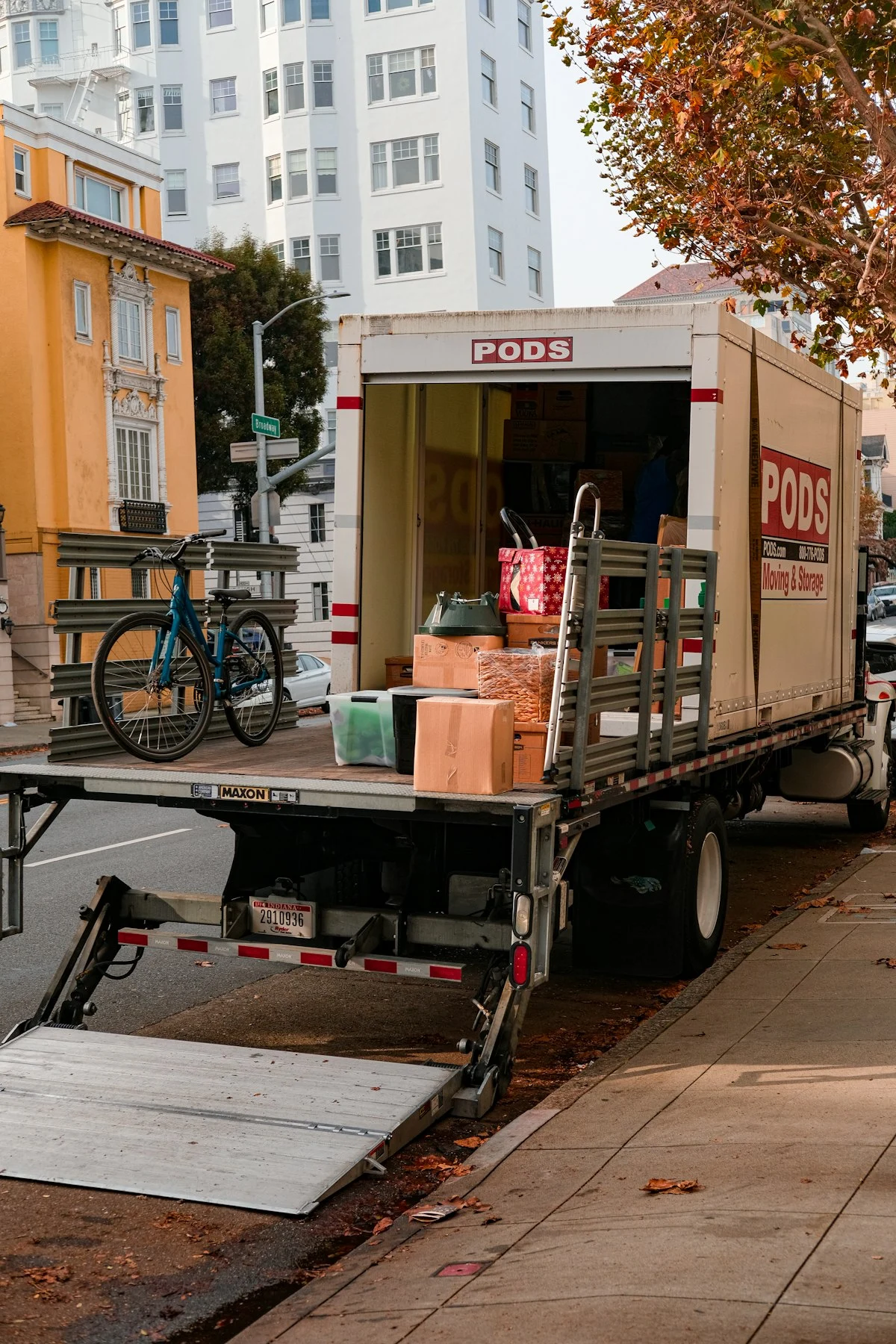
What Our Insurance Covers
Transit insurance is specifically designed to cover risks associated with the transportation of goods.
- Transit Damage: Coverage against physical damage to your household goods, office equipment, or vehicles resulting from a collision, overturning, or derailment of the transport vehicle.
- Total Loss: Protection against catastrophic events where the entire consignment is lost or destroyed due to fire, severe accidents, or natural disasters (such as floods or earthquakes) during transit.
- Theft and Hijacking: Coverage against the theft of the transport vehicle or the loss of goods resulting from a documented break-in or hijacking on the highway.
- Loading and Unloading Risks: Depending on the specific policy tier chosen, coverage can extend to accidental damage occurring specifically during the manual loading and unloading phases (subject to terms).
Who is this For
Transit insurance is a crucial safeguard for almost every long-distance move, but it is particularly important for specific scenarios.
- Interstate Movers: Anyone moving goods across state lines where the risk of road accidents increases with the distance travelled.
- High-Value Inventories: Customers moving expensive electronics, luxury furniture, fine art, or high-end appliances.
- Vehicle Owners: Individuals using our Car Transportation or Bike Transportation services, where the asset represents a significant financial investment.
- Corporate Relocations: Businesses undertaking an office shift must protect their IT infrastructure and physical assets for compliance and financial security.
How to Claim / The Process
We aim to make the claims process as straightforward as our moving process. If an incident occurs, follow these steps:
Immediate Notification
You must note any visible damage on the delivery receipt (the final inventory checklist) before the crew leaves. Notify your dedicated move coordinator immediately.
Document the Damage
Take clear photographs and videos of the damaged items, including the condition of the packaging they arrived in.
Submit the Claim
Provide the required documents, which typically include the signed delivery receipt noting the damage, the original packing list, your insurance certificate, and the photographic evidence.
Assessment
An insurance surveyor may be appointed to assess the extent of the damage, especially for high-value claims. We cooperate fully with the surveyor to expedite this process.
Settlement
Once the assessment is complete and the claim is approved, the settlement amount is processed. Claims are typically processed within 15 working days from the submission of all required documents.
What's Included vs. Excluded
Understanding the limitations of transit insurance prevents surprises during a claim.
- Damage resulting from major transport vehicle accidents.
- Loss due to fire, natural disasters, or theft during transit.
- Damage to items packed exclusively by the Homepac Express crew (as we can vouch for the packing integrity).
- Pre-Existing Damage: Any scratches, dents, or operational faults that were present and documented on the pre-move inventory list.
- Internal Mechanical Derangement: If a television or washing machine arrives with no external physical damage to the box or the unit, but fails to turn on, it is generally not covered. Insurance covers physical transit damage, not internal mechanical failure.
- Customer-Packed Items: Boxes packed by the customer (PBO - Packed By Owner) are generally excluded from damage claims, as we cannot verify how securely the contents were packed.
- Prohibited Items: Cash, jewellery, bearer bonds, perishable food, and hazardous materials are strictly excluded.
- Sentimental Value: Insurance compensates based on the declared financial value or depreciated value of the item, not its sentimental worth.
Pricing Factors
We keep the pricing for goods protection transparent and simple.
- Declared Value of Goods: The cost of the premium is directly tied to the total value you declare for your inventory. It is critical to declare a realistic replacement or depreciated value.
- Premium Percentage: Transit insurance is available at a standard rate of 3% of your total declared inventory value.
- Type of Cover: We offer different tiers of protection, from basic total-loss cover (which is cheaper and covers only the total destruction of the truck) to comprehensive all-risk cover (which covers individual item damage).
Guaranteed Reliability

Transparent Policies
We provide clear insurance certificates detailing the exact terms, underwriter, and coverage limits before the truck departs.
Quick Claim Settlement
We actively assist you in the claims process rather than abandoning you to deal with the underwriter alone, ensuring resolutions typically within 15 working days.
Accountability
Because we handle the packing, loading, and transport ourselves, we drastically reduce the risk of damage, which in turn simplifies the process if an unlikely claim is necessary.
Is transit insurance mandatory?
While not legally mandatory for household goods, we strongly recommend it for all intercity and long-distance moves. For Car Transportation and commercial freight, insurance is heavily advised and often required by the transport network.
How do I calculate the declared value of my goods?
You should estimate the current depreciated value of your belongings, not what you paid for them brand new ten years ago. Create a list of your major appliances, furniture, and electronics, and assign a realistic current market value to each.
What happens if an item breaks during transit?
Ensure you point out the damage to the delivery crew immediately and mark it on the delivery receipt. Take photos and contact your move coordinator. Do not throw away the broken item or the packaging until the claim is settled.
If I pack a box myself and items break, can I claim insurance?
No. Items packed by the owner (PBO) are excluded from damage claims because the insurance underwriter cannot verify if the items were packed securely enough to withstand normal transit vibrations. To ensure full coverage, allow our professional crew to pack your fragile goods.
Ready to move? Get a clear quote.
Tell us where you’re moving from and to. We’ll send an itemised, no-obligation quote the same day.